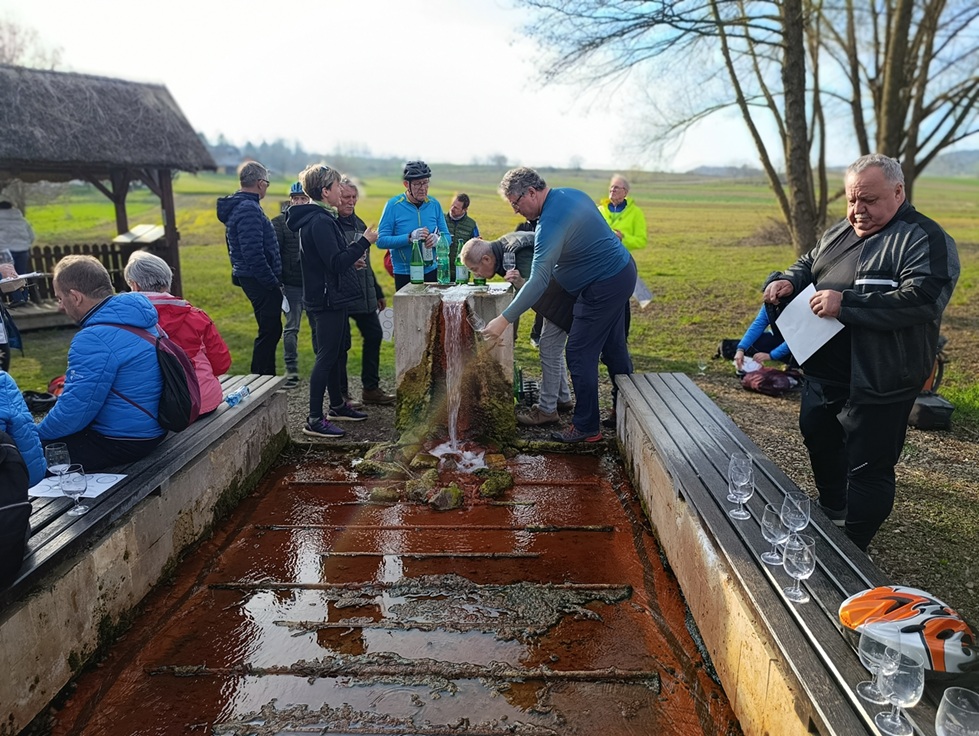
The moment we had perhaps been looking forward to most during the SAGE – Interreg SI-AT project had finally arrived: we were able to test our carefully designed programs together with our target group. We spent three wonderful days with interested, open-minded people, getting to know their honest opinions, which we will also consider and incorporate into our tours, because who else could know better what they need than they themselves. In this post, I’m focusing on our cultural themes; you can find a detailed report on the intersection of sports and geology during our e-bike tours here: https://www.spiritour.at/radtouren/
It was an exciting challenge for our team that the participants spoke German or Slovenian, so we provided continuous interpretation for them, and every program took place in both languages. These language barriers began to dissolve after the first group activity, and by the end of the tour, everyone was communicating confidently in every language available.
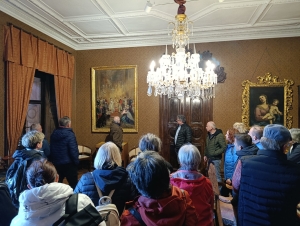
On our first day, culture took center stage: our theme ranged from high culture to folk art. At Schloss Kornberg, the lord of the castle himself gave the group a tour, specifically highlighting the characteristic architectural and interior design features. He emphasized that even in a count’s family, great importance was placed on skilled craftsmanship: we were able to admire a masterpiece of intarsia made by his great-grandfather with his own hands. Art is always a reaction to our times. A contemporary gallery (Kornberg Art_Space) is located in the annex of the castle, where we saw examples of how today’s contemporary artists think about the relationship between nature and the industrial world, about connections, and about our present.
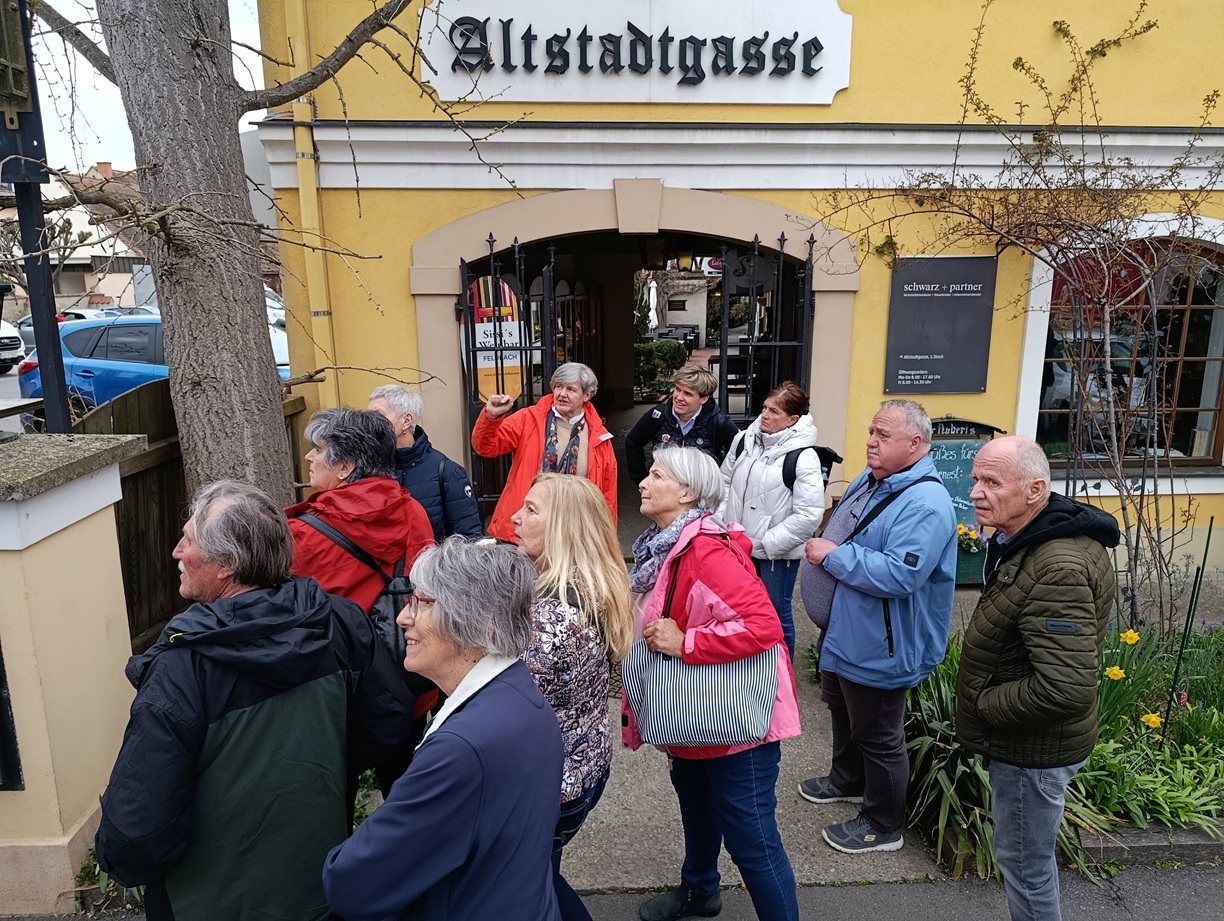
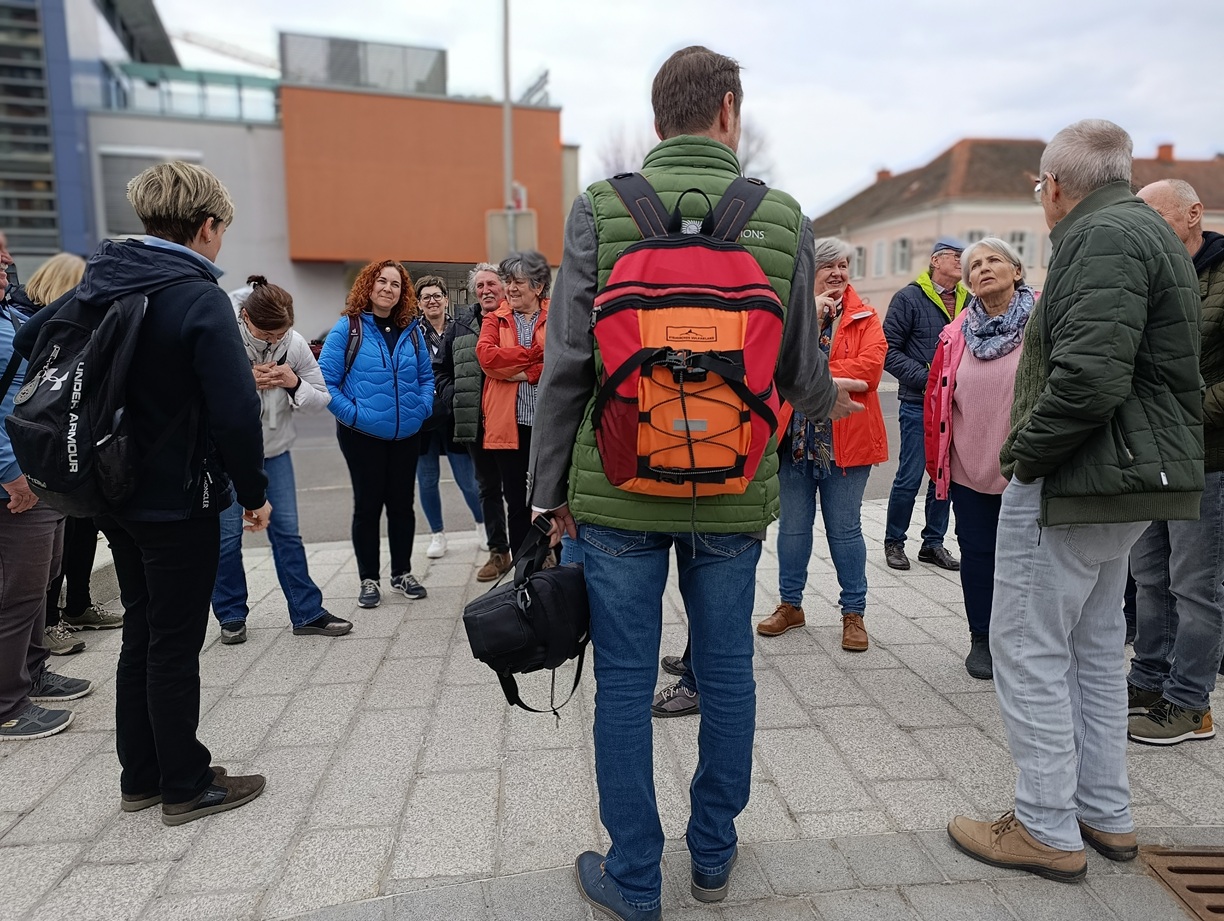
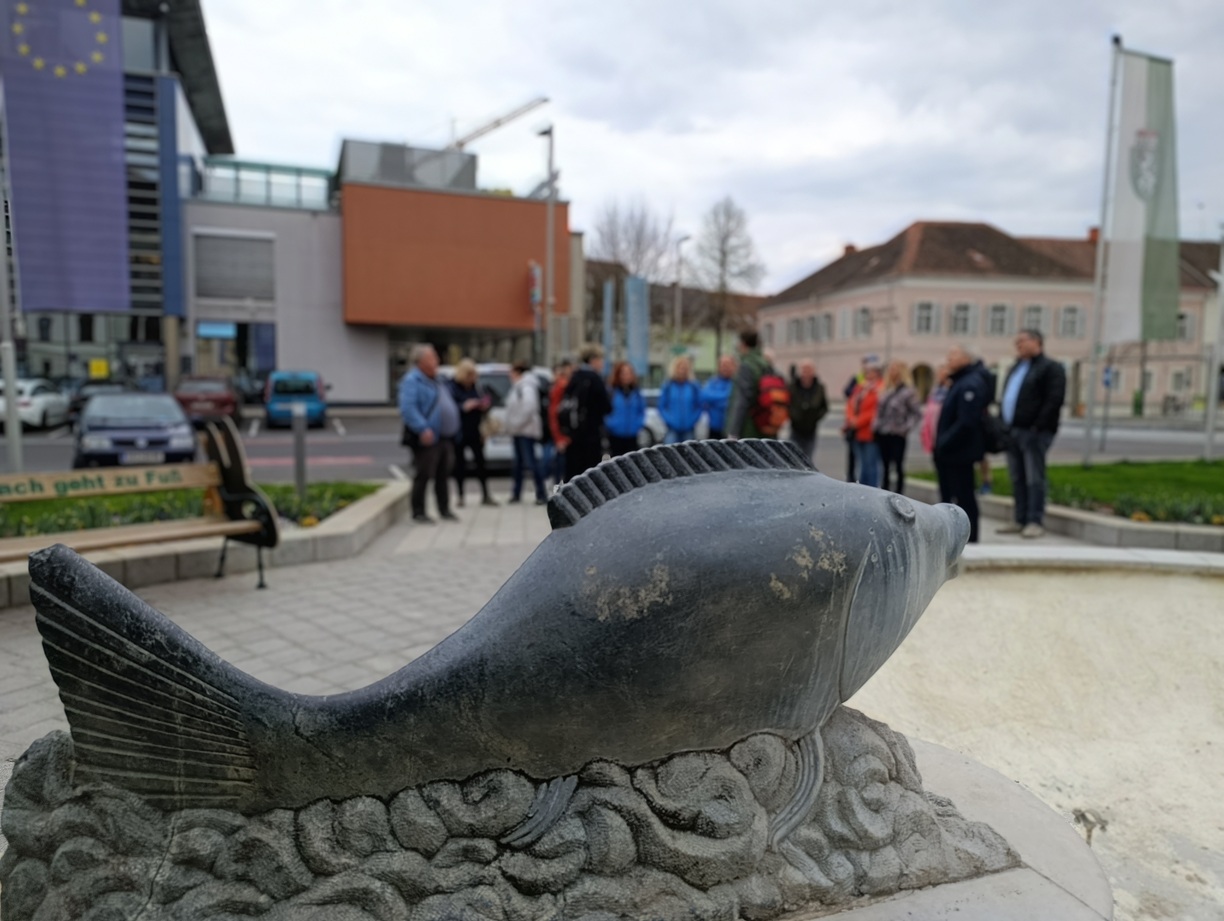
From there, we stepped into reality not just in an abstract sense: we toured the emblematic sites of Feldbach’s past and present. It was fascinating to see and hear how everyday objects, plants, and animals became symbolic elements, and how the town built its own tourist narrative even from the memories of harder times.
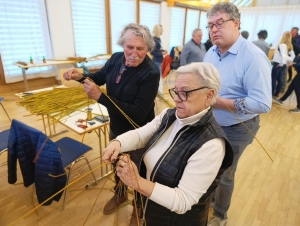
After lunch, we continued our journey to immerse ourselves even further in folk art: we had the chance to try our skills at basket weaving, a technique once used for everyday objects. With Easter approaching, we had the perfect opportunity to create beautiful willow weavings for Palm Sunday. The well-prepared team at Haus der Vulkane didn’t hesitate to involve us in every phase of the work; they then demonstrated and patiently helped us all create pieces we could make ourselves. We even received a gift from them: a willow branch to plant in our own garden. Perhaps in twenty years, our grandchildren will take an interest, and we’ll be able to teach them something. Who knows when this knowledge might come in useful? It’s never too late to lay the groundwork for the future.
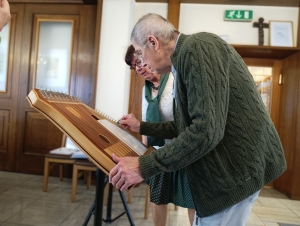
We recovered from the “hard” work in Klöch, famous for its wine region: the evening ended with a Traminer wine tasting and group singing accompanied by an Autoharp.
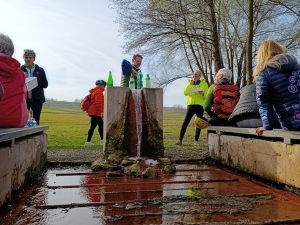
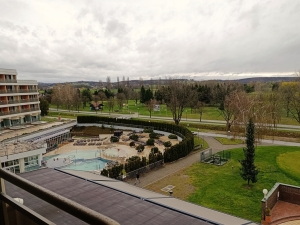
On our third day, the cold and rainy weather provided excellent motivation to test and enjoy the thermal waters of Moravske Toplice.
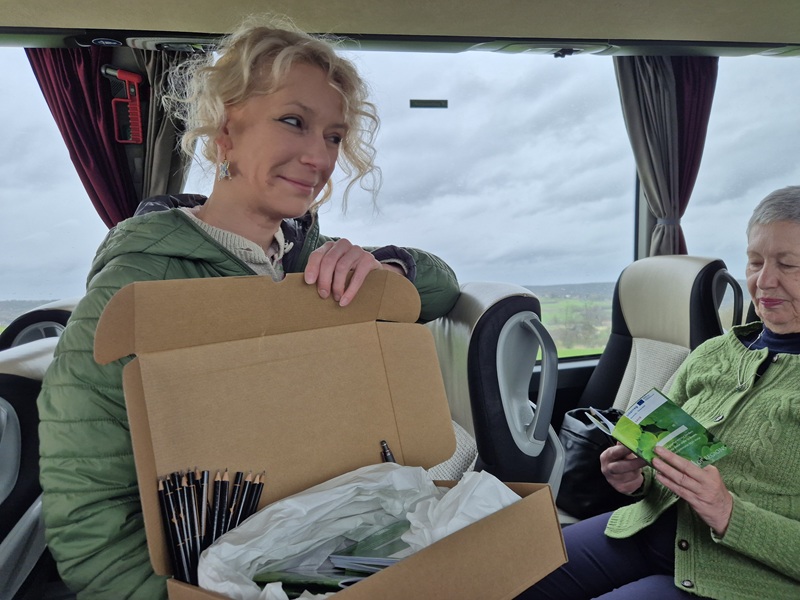
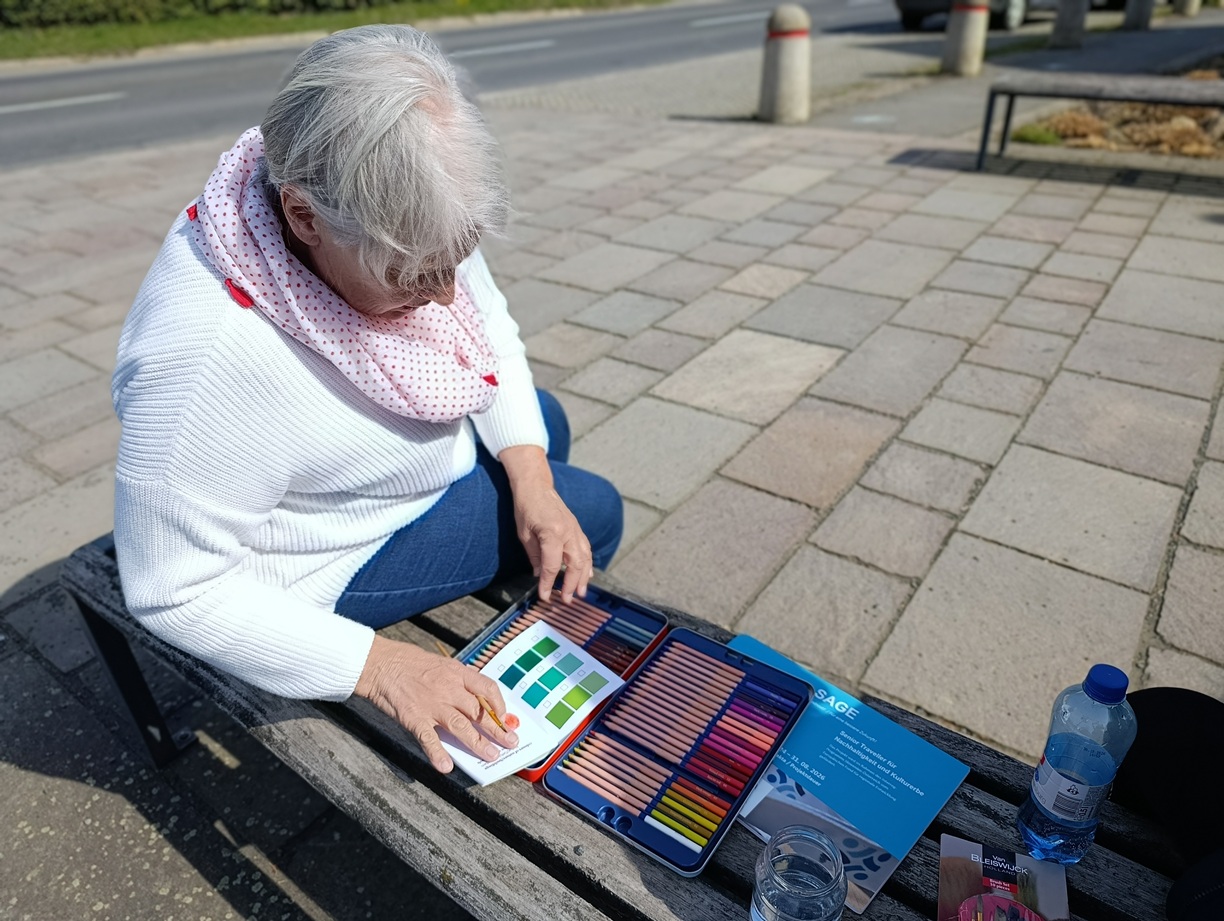
Before arriving at our first destination of the day, everyone received their own CatchBook—our original creative travel journal—which includes small exercises designed to help us store the memories we collect along the way on as many levels as possible, and to broaden our perspective, since we often forget the joys of travel and discovery amidst all the stunning sights.
Culture was also the focus of this day: we visited impressive monuments related to the preservation of historical sites and the cultural struggle. The duality of past and present was also evident in the technical solutions. At our first stop, in the Romanesque Rotunda, iPads were used to bring the biblical scenes in the frescoes to life for us, yet the highlight was when the group sang together in this sacred space or listened intently as the vibrations of the sounds connected with the history of the walls.
The church in Bogonija, designed by Jože Plečnik, demonstrates just how much our art history is also a representation of our entire culture—and, at times, how sharply it reflects cultural policy. Incidentally, it is the only Catholic church in the area from that era. Inside the church, Catholic theatricality and marble columns coexist with elements of folk art (pottery works) and quite daring, modern spatial design solutions. The church’s asymmetrical structure is supported by a massive marble column positioned at the golden ratio, symbolizing Jesus. Other points of interest include the side altar depicting Joseph with the infant Jesus and the Jugendstil-inspired altar.
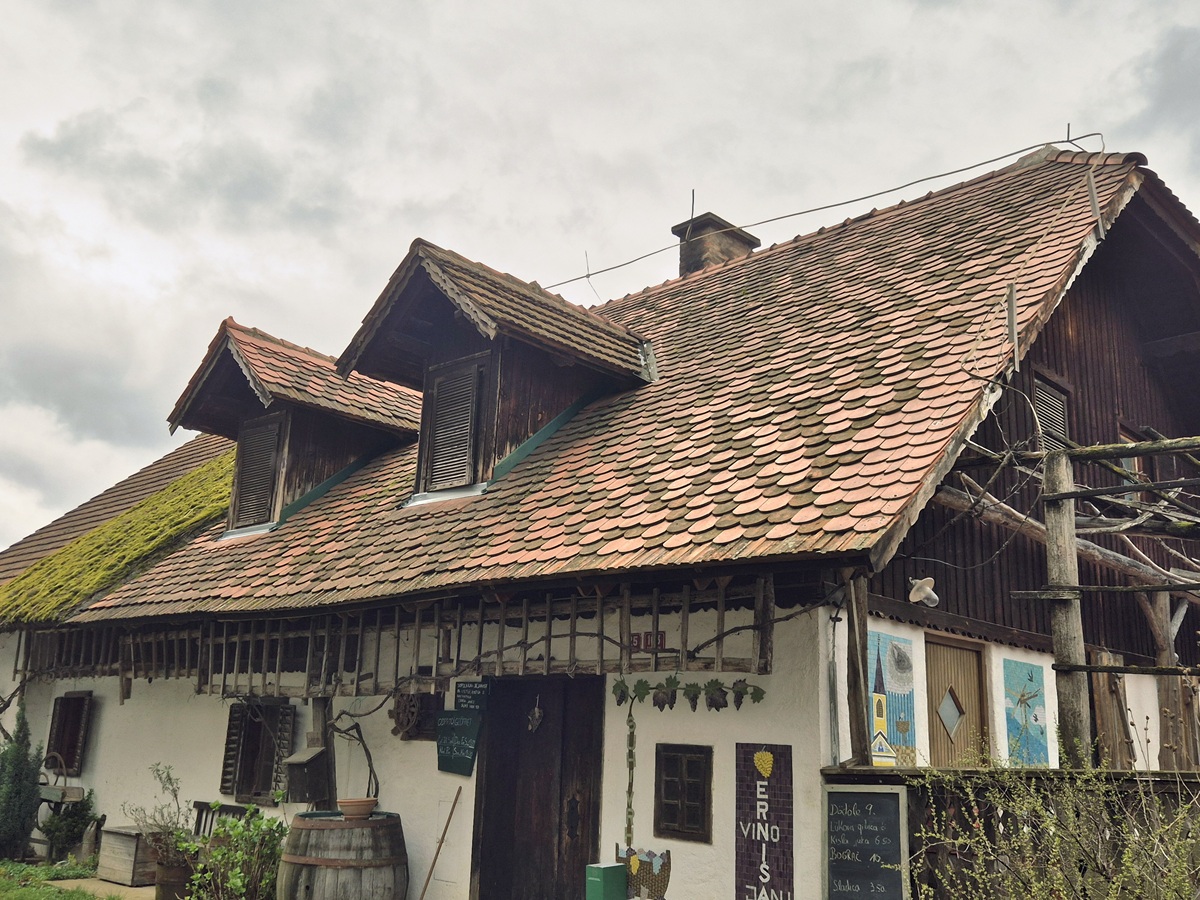
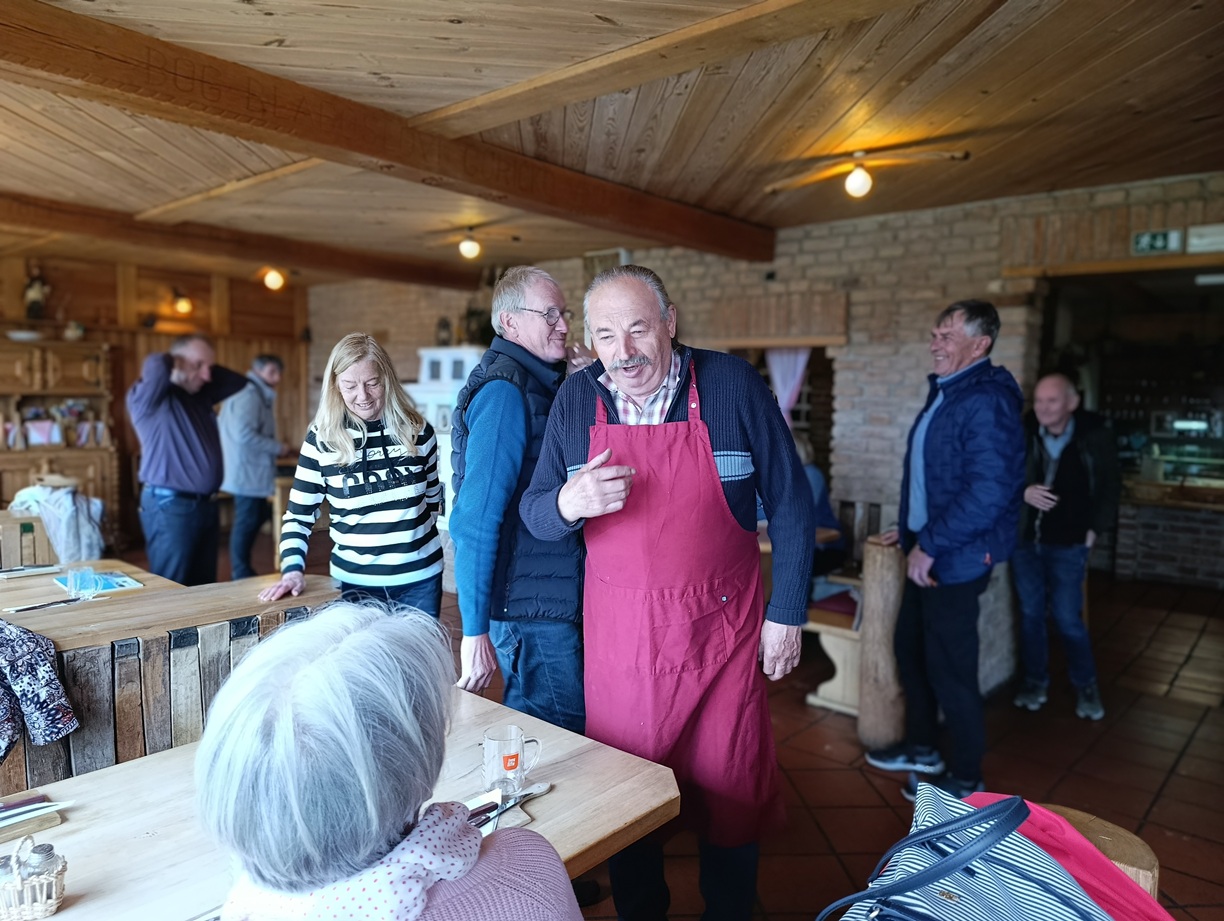
To understand the origins of the enduring respect for farmers and artisans, we were treated to some of the earth’s bounty at Jani’s inn. We were filled with cold cuts served on a traditional Hungarian-Slovenian wooden platter and a bowl of goulash. Next time, we’ll try the dödölle as well.
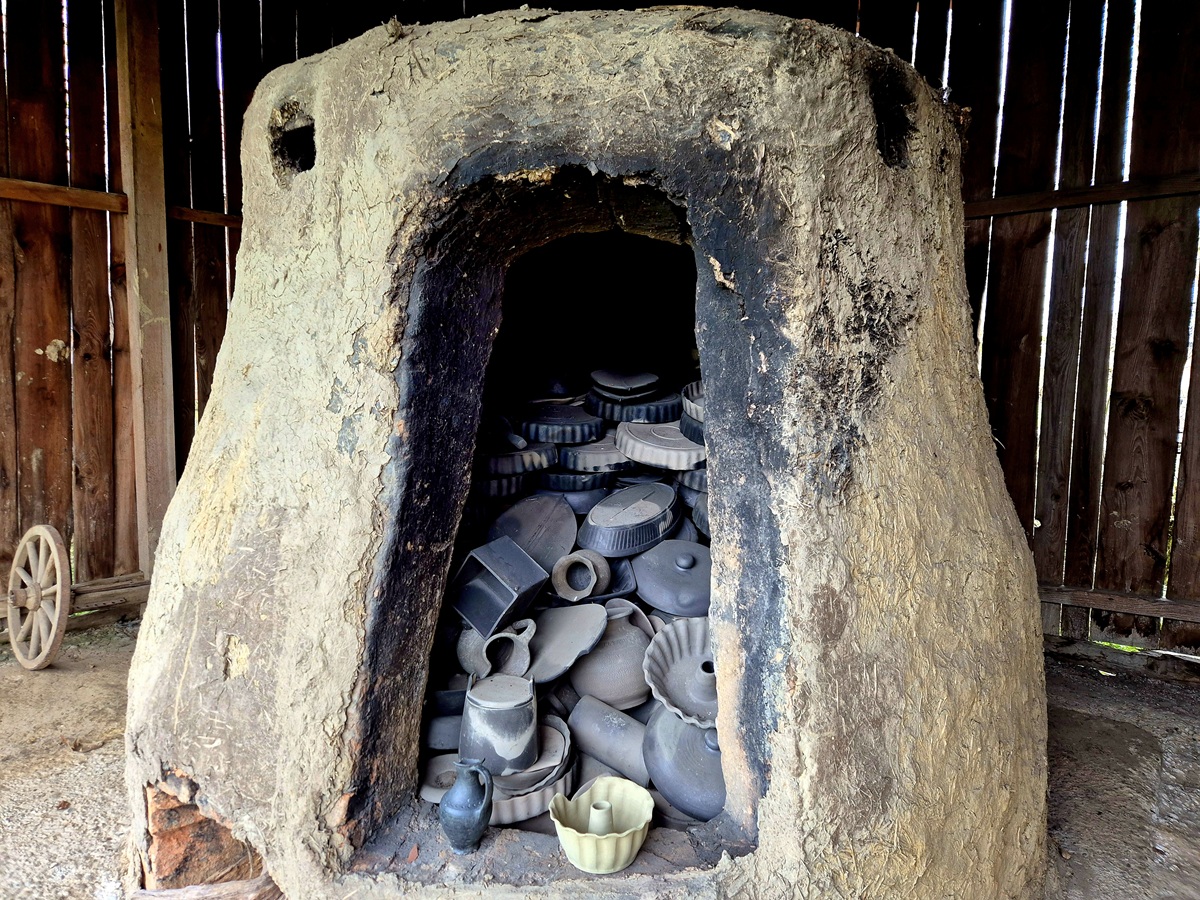
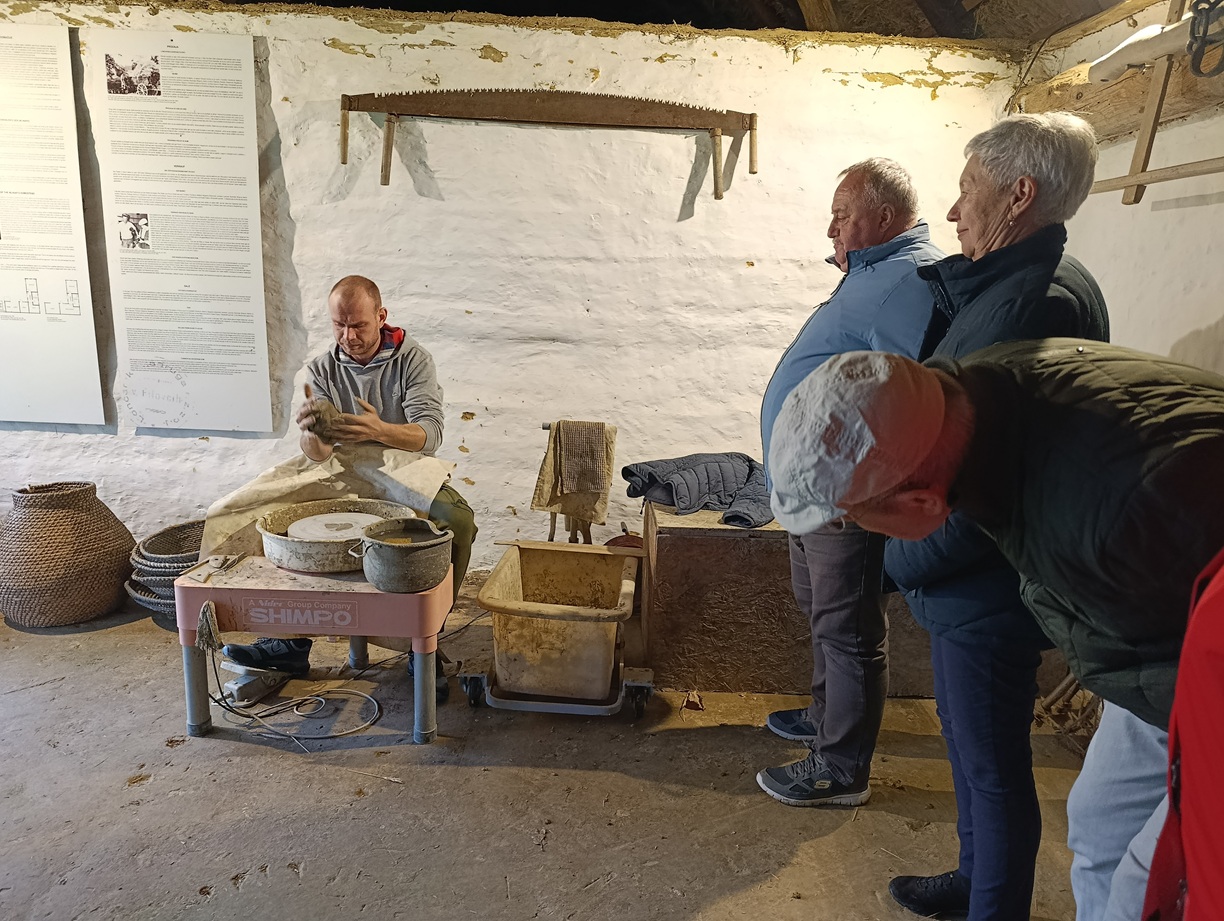
At the end of our journey, we returned to the earth—both symbolically and figuratively. At the Filovci Pottery House, we learned the chemical secrets of black pottery, and for our future journeys, we crafted a lovely little totem that preserves the shape of our own hands—a firm grip, a handshake from Mother Earth—so that we may feel safe.
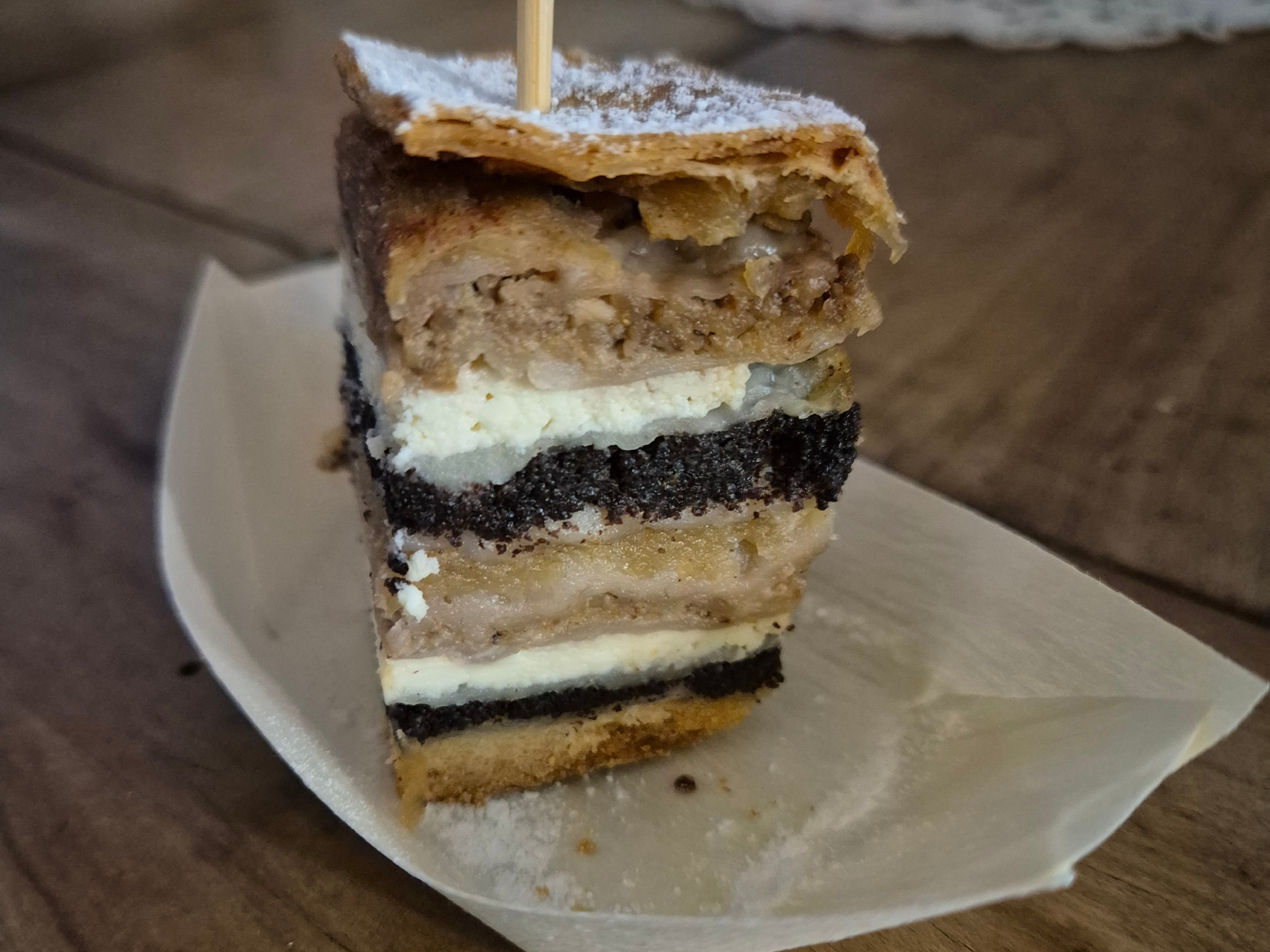
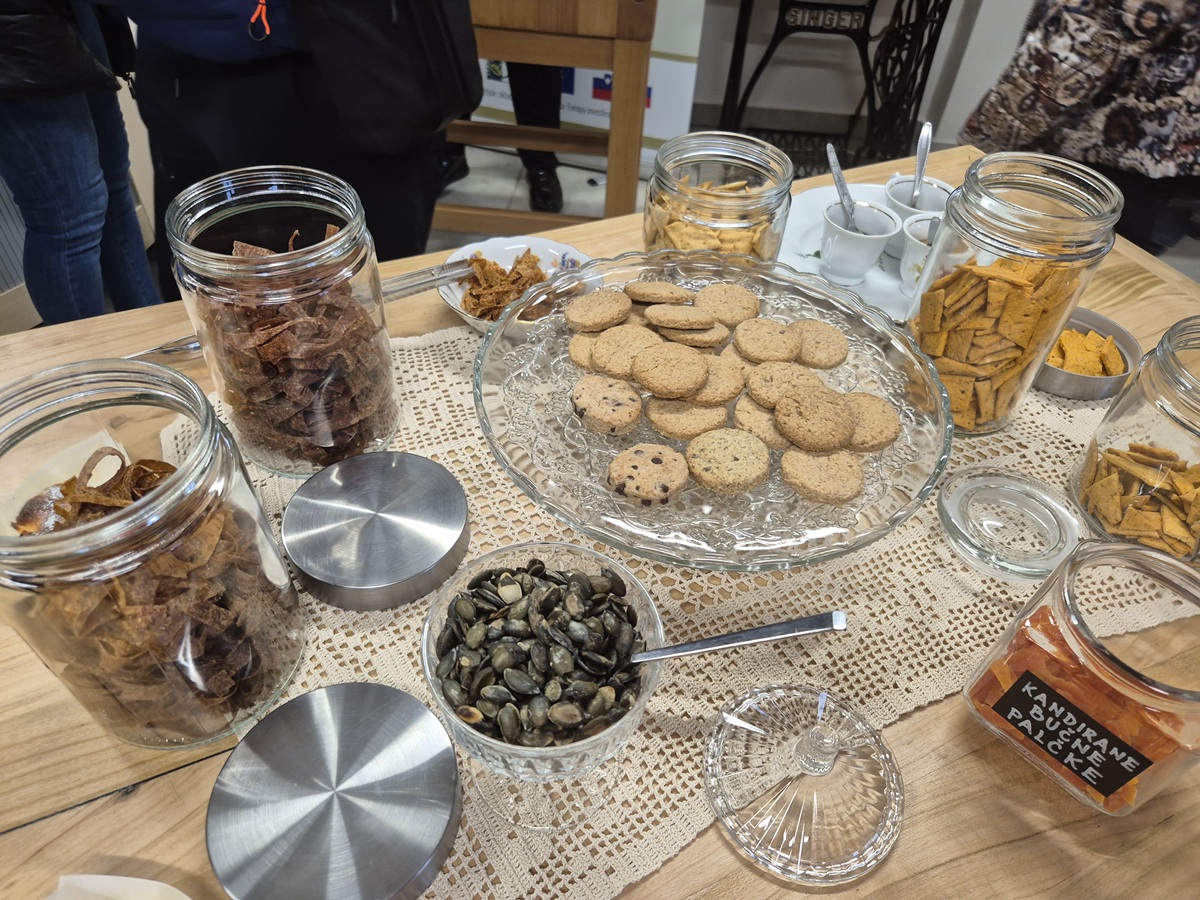
At the Gibanica House, after a tasting, we shared our experiences from the past three days.
We hope that these experiences came together in the hearts of our travelers just as the layers of various ingredients in Prekmurska gibanica form a wonderful whole.
Are you looking for similar experiences? You can find detailed information about our bookable tours here: Bookable packages